
About Best Goed
When intelligence becomes abundant, value does not disappear. It moves.
Why we started looking
We encountered the shift in our own work.
Best Goed began examining this problem after clients started using AI to perform work they had previously hired us to do. What first appeared to be an isolated event kept repeating.
It became clear that AI was doing more than changing how services were delivered. It was changing why customers needed companies in the first place.
That experience led us to a broader question: when established expertise becomes increasingly abundant, what will customers continue to value—and where will new sources of value emerge?

A Yemeni dish, from the project “Making food detection systems inclusive of global audiences.”
The important question is no longer only what AI can do. It is what customers will still need companies to do.
How we see the world
Start with what people are doing, not what technology is predicted to do.
Technology forecasts can show what may become possible. They cannot tell us how those possibilities will change customer behaviour, expectations, relationships and purchasing decisions.
The earliest evidence appears in everyday practice: work people begin doing themselves, expertise they stop relying on, expectations that change and new forms of help they begin seeking.
We work in those real environments because evidence should challenge the organisation’s existing view—not simply confirm it.
Independent by design
No technology to sell. No preferred answer.
Best Goed does not implement AI systems, recommend platforms or benefit from a particular technological direction.
That independence allows us to begin with the strategic question itself: how is AI changing what customers need from your organisation, and what choices does that require?
We stay small and senior-led so the people conducting the research remain close to both the evidence and the leadership decisions it informs.
De naam
BestGoed
Een naam die je pas snapt als je de context begrijpt.
“Best goed” reflects Belgian culture at its finest. We rarely say something is exceptionally good. We downplay it—even when it really is very good. Instead, we say it is “best goed”: kind of good.
Outside that cultural context, the literal words only tell part of the story. Their real meaning lies in the shared habits, assumptions and nuances surrounding them.
That is also how we approach our work. Things rarely mean quite the same in practice as they do when viewed from the outside.
And if that explanation does not convince you, we still think the name is best goed.
Stuur ons gerust een berichtje als je niet akkoord bent en ons werk toch wel écht fantastisch vindt.
The team
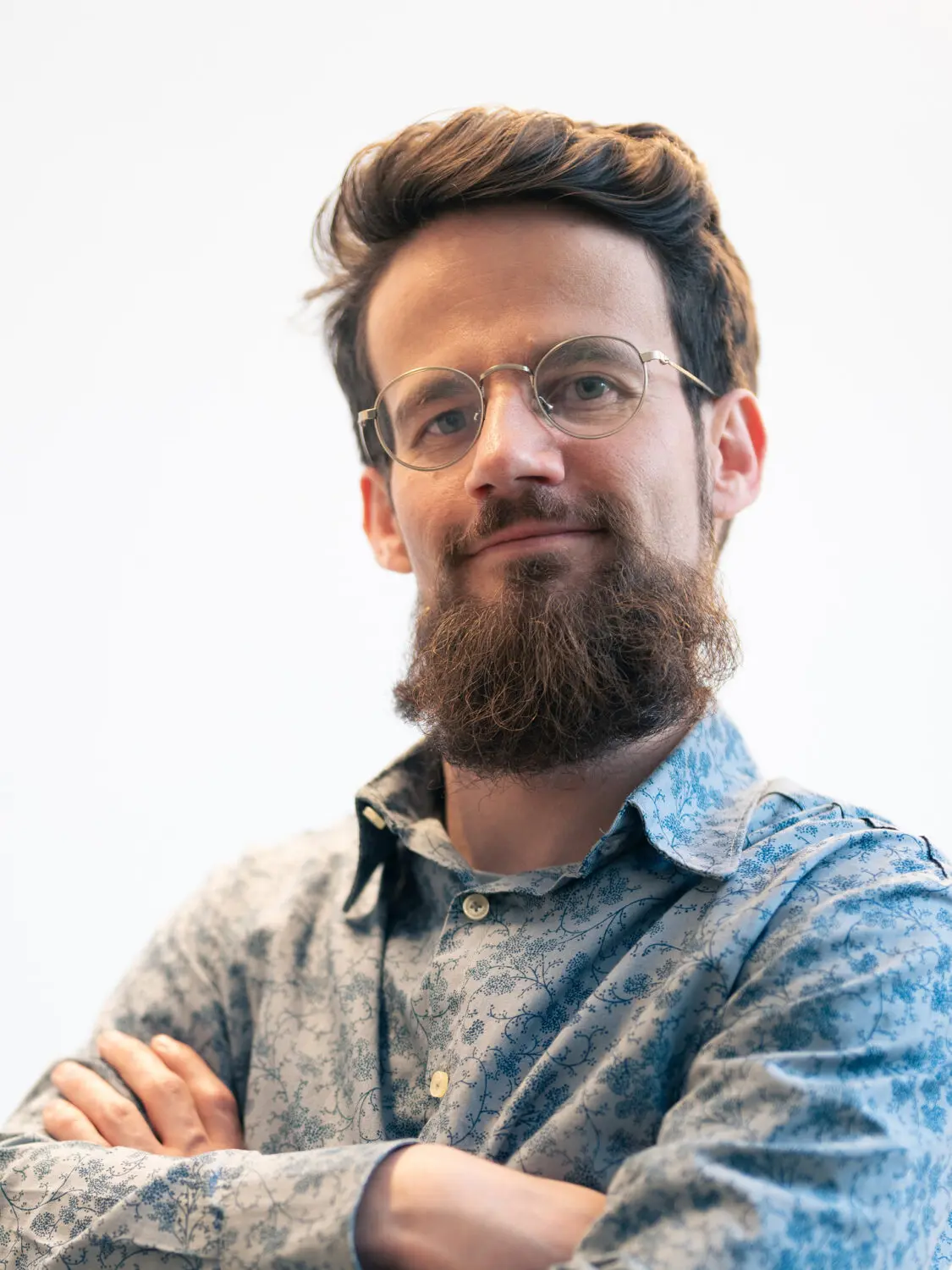
Niels Quinten
PhD - Zaakvoerder
Niels Quinten is the founder of Best Goed. The studio’s current focus emerged after he recognised a pattern in its work: clients were beginning to use AI to perform work they had previously hired specialists to do.
He combines experience leading AI projects with a PhD in the human-centred design of technology and extensive experience conducting research in real-world environments.
This allows him to connect an understanding of what AI makes technically possible with a deeper examination of how it changes behaviour, expectations, relationships and sources of value.
His work helps leadership teams look beyond the next technological capability and make decisions grounded in how their world is already changing.
Trying to understand where value is moving?
Let’s begin with what you are already observing and determine whether our perspective can help.